Blog & Media Coverage
Search the blog using the search bar below.
Latest Blog Posts
What could implementing Indigenous rights in BC’s mental health law look like?
UNDRIP is not a magic bullet that will dismantle centuries of colonization and genocide, but it is an important tool that helps provide a baseline for the implementation of Indigenous rights in a meaningful way. When combined with the implementation of other human rights-based principles, BC can create a baseline for a mental health law that protects human rights and wellness for Indigenous people.
Seclusion and Restraints in BC: What we know and what we don’t
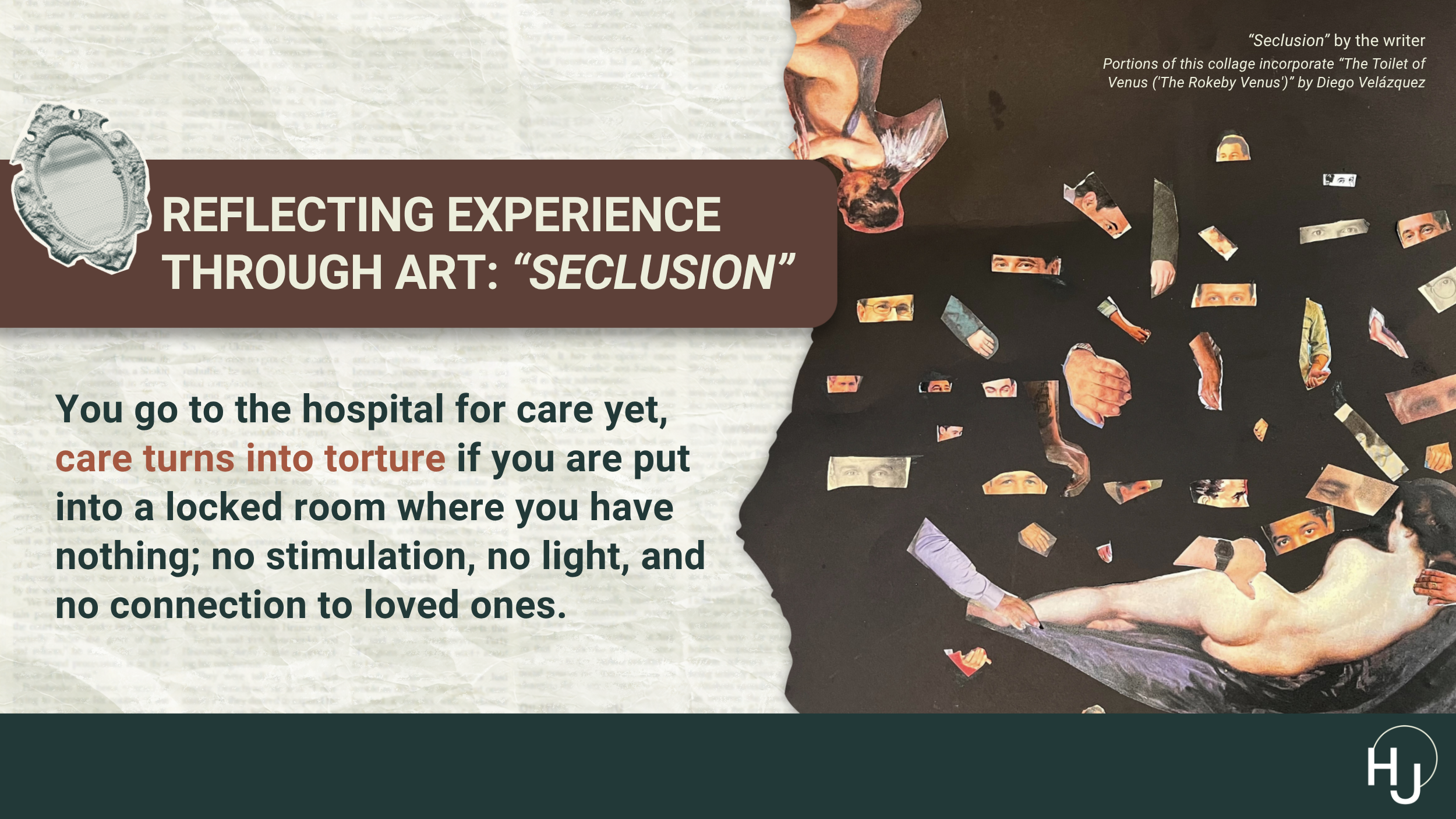
The use of seclusion and restraints is normalized in BC’s mental health system. BC’s Mental Health Act does not place any limits on when, how, or why someone can be subject to seclusion or restraints. Lived Experience Experts have shared that seclusion is often used in situations well outside those that could be considered a short-term emergency measure. We have gotten access to data on seclusion and restraint use through a Freedom of Information (FOI) request submitted in 2023. Part of acknowledging systemic harm is making it visible. Data collection and transparency is one of the most basic ways to bring the use of seclusion and restraints into the light. It is a necessary first step towards evaluating a system with few limitations and safeguards.
Our Response to Chief Scientific Advisor’s memo on involuntary treatment and substance use
On March 12, 2025 the Office of the Chief Scientific Advisor for Psychiatry, Toxic Drugs, and Concurrent Disorders issued a guidance memo intended to improve health care for people who suffer from “overlapping mental-health and substance-use challenges, including brain injuries from toxic-drug poisonings.” While there is no doubt that BC needs to take urgent action to better support the needs of people experiencing mental health and/or substance use-related health issues, it is unclear why the province continues to focus a disproportionate amount of time and resources on involuntary approaches. In addition, we have a number of concerns about the memo and the process used to develop it.
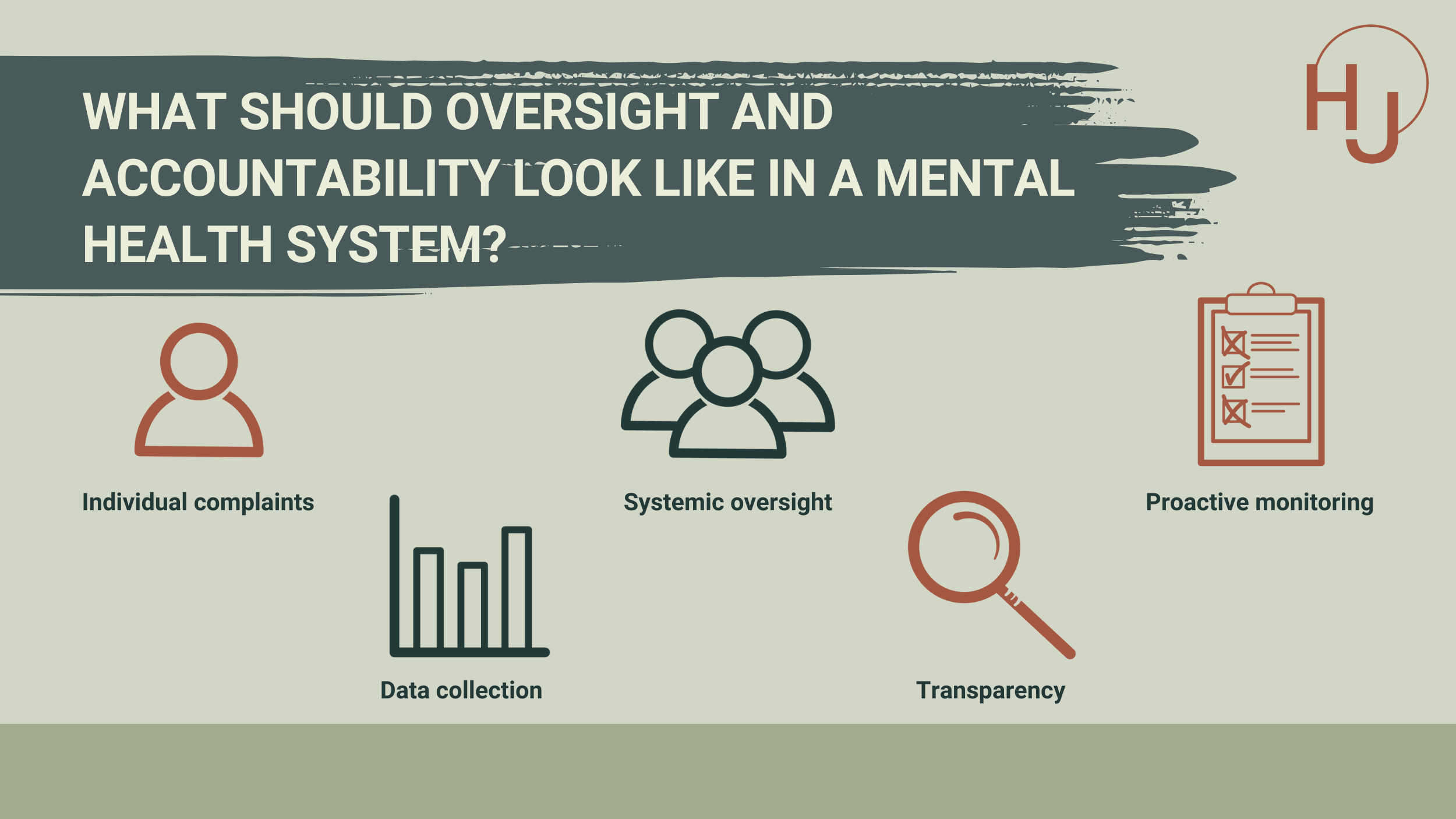
What should oversight and accountability look like in a mental health system?
Regardless of what your opinion is on the effectiveness and ethics of involuntary treatment, any law that authorizes serious powers over people must be accompanied by accountability and oversight of those powers. When someone experiences detention and involuntary treatment, we need ways to be sure they will be treated with respect and dignity and that there are ways to address improper use of power.
Expand choice-based and non-coercive services, not involuntary treatment
Conversations about involuntary treatment must address its consequences: people are afraid and discouraged from seeking help from the system because of the harm it can cause. To build trust in the system, we must take a holistic approach and offer choice so that people can choose interventions that work for them. Involuntary treatment should be a last resort.
The Realities of Involuntary Treatment with Brain Injury
The lack of awareness and focus on brain injuries while in involuntary treatment by medical practitioners, including those in mental health, and by policy makers and legislative decision makers undermines the care that people with brain injuries need by jeopardizing their health further and violating human rights. The information graciously shared here is from a Lived Experience Expert that has been actively involved in brain injury awareness, research, community care, advocacy in BC, and navigation of their own medical journey. Learn more about what is missing in the care of someone with a brain injury, its impacts, and what is needed to improve care.
Featured Blog Posts







Media Coverage